
The Wand (STA) Anesthesia
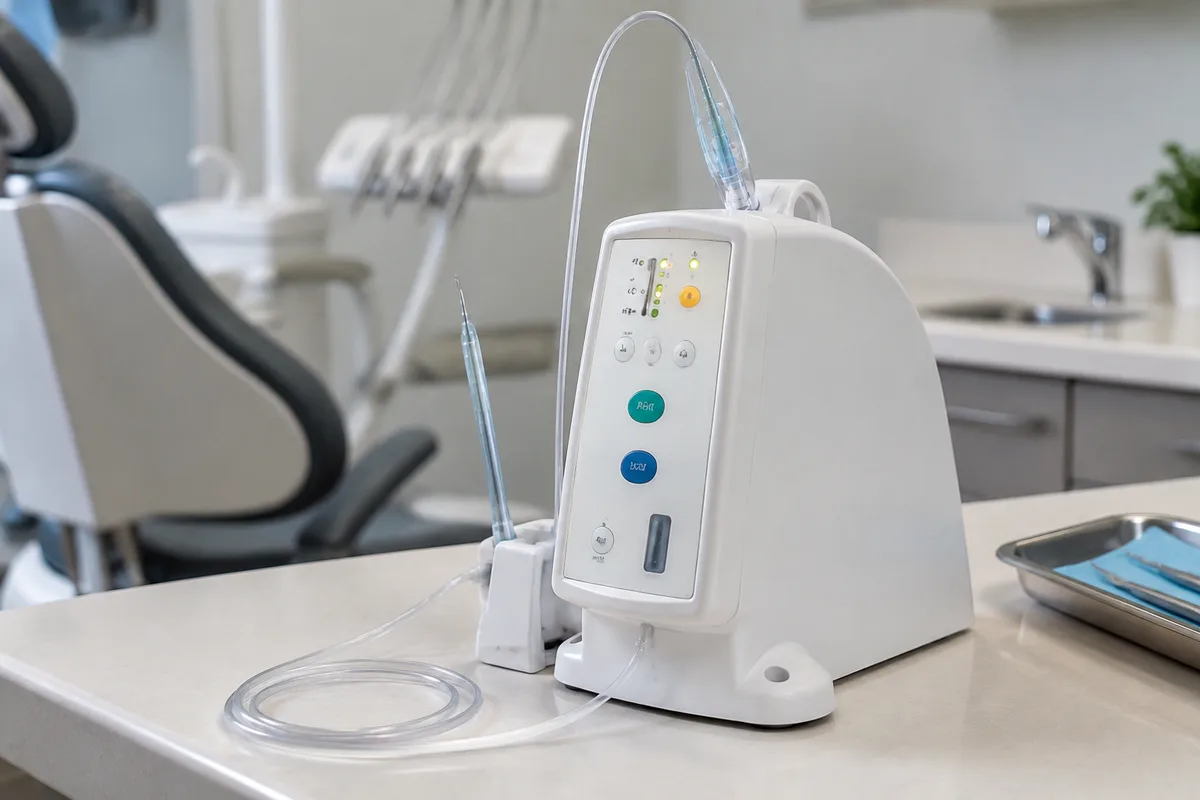
The Wand (STA) Anesthesia
Getting numb shouldn't be the hardest part of a dental visit. The Wand (STA) system is a computer-controlled anesthesia delivery device that Salm Dental uses to make that first step of treatment calmer and more predictable, whether you're here for a filling, a root canal, or routine restorative work.
About The Wand (STA) Anesthesia
The Wand, also known as Single Tooth Anesthesia (STA), is a computer-controlled system that replaces the traditional syringe for administering local anesthetic. Instead of a dentist manually controlling the speed and pressure of the injection, a microprocessor regulates the flow of anesthetic at a slow, steady rate that matches the tissue's ability to absorb it comfortably.
This matters because much of the discomfort associated with dental injections comes from the pressure of the anesthetic entering tissue too quickly, not from the needle itself. By metering the flow precisely, the Wand reduces that pressure sensation. The device also looks different from a standard syringe — it's held more like a pen — which many patients find less intimidating to see.
Traditional syringes rely entirely on the practitioner's hand control to judge flow rate, which naturally varies. The Wand standardizes that process, so the anesthetic is delivered consistently regardless of the specific injection site or technique required.
How we use it at Salm Dental
At Salm Dental, the Wand is one of the tools Dr. Adam Salm, DMD, uses to numb a tooth or area before treatment begins. Because the device delivers anesthetic slowly and evenly, it's well suited to procedures that call for precise, localized numbing — including fillings, crowns, and root canal therapy performed with our rotary endodontic instruments and apex locators.
For patients who also feel anxious about the appointment itself, the Wand often pairs naturally with our other comfort-focused options, such as nitrous oxide sedation or noise-canceling headphones. None of these are required together — they're simply available so that a visit can be adjusted to what helps you relax most.
The Wand is used as part of the standard numbing step before restorative and endodontic procedures, not as a separate treatment on its own. It fits into the same appointment as your planned work, adding a gentler starting point rather than extra time.
What it means for you
For many patients, anticipating the injection is more stressful than the treatment that follows. A slower, computer-regulated delivery can reduce that initial sting and pressure, which in turn can make it easier to stay relaxed through the rest of the appointment.
Because the flow rate is consistent, dentists are often able to achieve more predictable numbing in a specific tooth or area, which can be especially helpful for procedures requiring precision, like isolating a single tooth for a root canal instead of numbing an entire quadrant of the mouth.
Better tolerance of the numbing step can also mean patients are less likely to delay or avoid needed treatment. Anything that lowers the barrier to walking through the door and sitting in the chair is generally good for long-term oral health.
What to expect during your visit
Before the injection, Dr. Salm will review the treatment plan and let you know that the Wand will be used to numb the area. Topical anesthetic gel may be applied first, as with any injection, to numb the surface tissue.
During the injection itself, the handpiece is guided to the site and the computer controls the rate of anesthetic flow throughout. Most patients describe the sensation as a gradual, mild pressure rather than a sudden sting. The process typically takes only slightly longer than a traditional injection, since the slower delivery is what makes it more comfortable.
Afterward, the area will feel numb just as it would with any local anesthetic, and normal sensation returns within a few hours depending on the amount used. From there, your appointment continues as planned — whether that's a filling, crown preparation, or root canal step.
Frequently asked questions
Is the Wand (STA) system safe?
Yes. It delivers the same local anesthetics used in traditional dental injections; the difference is in how the medication is delivered, not what is delivered. The computer control simply regulates flow rate and pressure for a more comfortable experience.
Does it hurt less than a regular injection?
Many patients find it more comfortable because the anesthetic is delivered slowly and steadily rather than manually, which reduces the pressure sensation that often causes discomfort during an injection.
How long does numbing take with the Wand?
The injection itself takes only a bit longer than a standard syringe injection, and numbness sets in on a similar timeline to traditional local anesthesia. It's a small addition to your appointment, not a separate visit.
Who is a good candidate for this type of anesthesia?
The Wand can be used for most patients who need local anesthesia for a dental procedure, including those who feel anxious about needles or injections. Dr. Salm can discuss whether it's a good fit for your specific treatment during your visit.
If you'd like to learn more about how the Wand (STA) system could make your next appointment more comfortable, reach out to Salm Dental to ask Dr. Salm about it.