
Electric Handpieces
Electric Handpieces
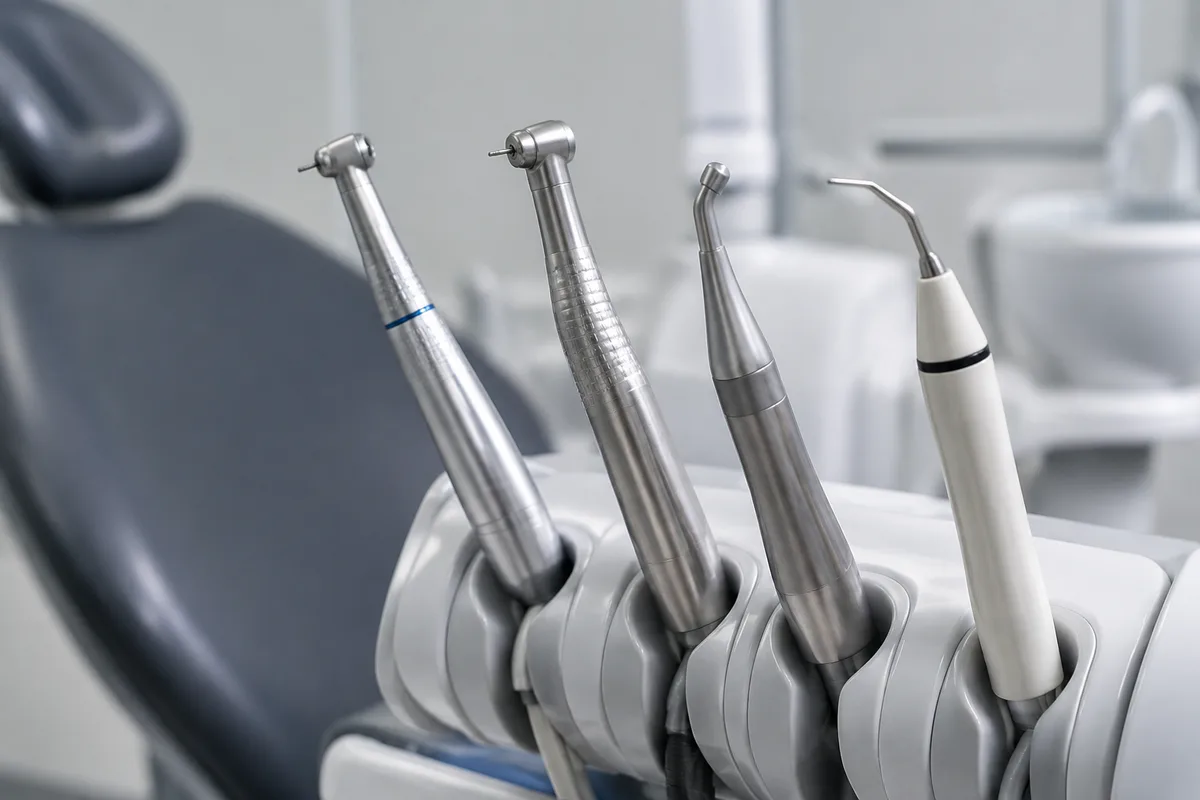
Electric handpieces are the modern alternative to the traditional air-driven drill, giving Dr. Adam Salm, DMD, finer control and a quieter, smoother experience for routine and restorative dental work. At Salm Dental, this equipment is part of everyday care, used whenever precise, gentle cutting or shaping of tooth structure is called for.
About Electric Handpieces
A dental handpiece is the instrument a dentist uses to remove decay, shape a tooth for a filling or crown, or adjust dental materials. For decades, most offices relied on air-driven handpieces, which spin using compressed air and tend to run at variable speeds with a higher-pitched sound. Electric handpieces instead use a small electric motor to spin the bur, which allows for steady, consistent torque regardless of the pressure applied.
That steadiness is the key improvement. Because the speed doesn't dip or surge under pressure the way it can with air-driven systems, electric handpieces cut more predictably and with less vibration. Many patients also notice they run quieter, which is a welcome change for anyone who associates dental visits with a particular high-pitched whine.
How we use it at Salm Dental
Dr. Salm uses electric handpieces for a wide range of procedures, including tooth-colored fillings, inlays and onlays, and crown preparation, including same-day CEREC crowns. The consistent torque is especially useful when shaping a tooth precisely to fit a restoration, since it reduces the small variations that can occur with air-driven tools.
This equipment doesn't work in isolation. Dr. Salm often pairs it with dental loupes for magnified visibility, high-powered suction to keep the field dry and comfortable, and, when decay needs to be identified first, tools like the caries detection laser or air abrasion for smaller areas. For root canal therapy, related rotary instruments and apex locators serve a similar purpose of bringing precision and reduced treatment time to a procedure many patients approach with some apprehension.
What it means for you
For patients, the main benefits of electric handpieces are comfort and efficiency. The reduced noise and vibration can make procedures feel less intense, which matters for anyone who finds the sound or sensation of a drill unsettling. The steady cutting action also tends to shorten the time needed for a given step, since the dentist isn't compensating for speed fluctuations.
Precision matters for the outcome of the work itself, too. A more even cut supports a better fit for fillings, crowns, and other restorations, which can mean a smoother bite and a more comfortable feel once the restoration is in place. None of this changes the basic steps of a visit — it simply makes each step more controlled.
What to expect during your visit
If your treatment plan includes a filling, crown, or similar restorative work, the visit typically starts the same way any dental procedure would: a review of the tooth, any necessary numbing (including options like The Wand for a gentler injection experience), and preparation of the treatment area. Once you're comfortable, Dr. Salm uses the electric handpiece to remove decay or shape the tooth as needed.
During this step, you may notice the sound is lower-pitched and steadier than you might expect from a dental drill. High-powered suction keeps the area clear and dry throughout. The length of this part of the visit depends on the procedure — a simple filling is much shorter than a crown preparation — but the consistent action of the handpiece generally helps keep things moving efficiently. Afterward, Dr. Salm checks the fit and finish before completing the restoration or preparing for the next step, such as a temporary crown while a permanent one is fabricated.
Frequently asked questions
Is an electric handpiece safe to use?
Yes. Electric handpieces are a standard, well-established part of modern dental care, used for the same kinds of procedures as traditional drills. The main difference is how the motor delivers power, not the safety of the instrument itself.
Will it feel different from a regular dental drill?
Many patients notice it sounds quieter and feels smoother, with less of the high-pitched whine associated with older air-driven tools. Any numbing used for your procedure works the same way regardless of which handpiece is used.
How long does a procedure with an electric handpiece take?
It depends on the procedure itself — a small filling takes less time than a crown preparation — but the consistent speed of an electric handpiece generally helps keep each step efficient once treatment begins.
Who is a candidate for treatment with an electric handpiece?
Most patients needing fillings, crowns, inlays, onlays, or other restorative work are candidates, since this is simply the tool used to shape the tooth. Dr. Salm will let you know as part of your treatment plan what to expect for your specific procedure.
If you'd like to learn more about how electric handpieces are used in your care, reach out to Salm Dental to ask Dr. Salm your questions or schedule a visit.